MENUTOUR FOR SUPPLIERS

Your product’s story, from the menu to the table.

We are developing ways to connect product information, restaurant menus and demand signals from dining.

In development · Pilot target: August 2027

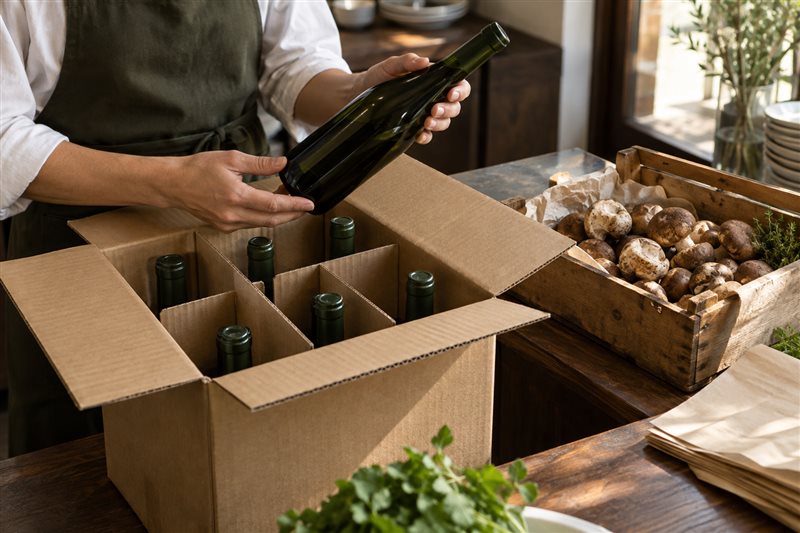
Illustrative product preparation and supply scene
An illustrative scene of product use
BEYOND A PRICE LIST

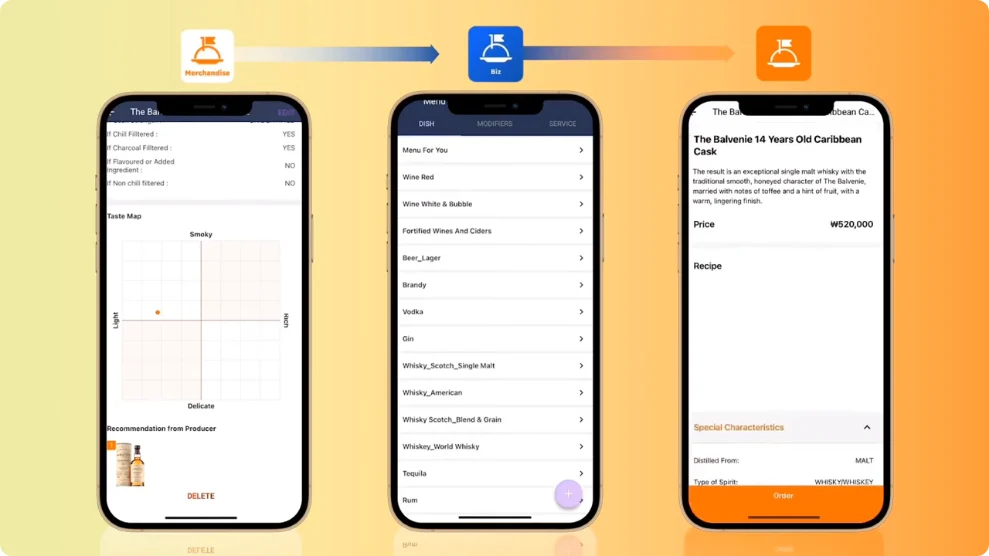
What it is. How it tastes. How to enjoy it.

Whisky AIllustrative product story
Attributes
Taste · Flavor profile
Story
Producer · Production story
Use
Serving · Pairing suggestions

Illustrative product information, not a screenshot of a supplier application.

WHERE A PRODUCT FITS

One product. Different menu contexts.

Product information

Whisky A

Flavor and stories from the producer

Restaurant menu

By the glass · By the bottle

Product details alongside local sales options

Guest choice

Discover before you choose

Understand the details and choose to your taste

Connection example · Sharing product information is distinct from sharing personal information.

Product information

Mushroom A

Ingredient attributes and uses

Restaurant menu

Pasta · Risotto

Linked as an ingredient in a dish

Guest choice

Discover before you choose

Understand the details and choose to your taste

Connection example · Sharing product information is distinct from sharing personal information.

Watch the original product-to-menu connection
FROM PRODUCT TO MENU TO GUEST

The product’s story reaches the table.

  1. 01
    Producer

    Register product details and content

  2. 02
    Restaurants

    Use that information to build a menu

  3. 03
    Guests

    Compare the product with personal preferences

Producers explain their products; restaurants put that information to use. Customer choices and feedback provide signals for understanding aggregate demand.

Producer, restaurant and customer apps in the MenuTour introduction film

Official introduction, 2024 · Product screens and concepts from that period.

Watch on YouTube
FROM OBSERVATION TO THE NEXT OFFER

Read the signals. Prepare the next offer.

  1. 01

    Observe

    Orders and feedback for linked menus

  2. 02

    Consider

    Exposure · Seasonality · Stock · Lead times

  3. 03

    Review

    Improve the product story · Discuss supply

Designed to inform decisions with aggregate information, not to pass personal booking requests or contact details to suppliers.

Explore a six-stage supply example

Illustrative data and assumptions, not actual forecasts or confirmed purchase quantities.

  1. Find suitable menus and the restaurants that serve them.

  2. Prepare the offer and its terms around the selected menu and product relationship.

  3. Present product information and an offer at the relevant menu or restaurant touchpoint.

  4. Review offer views, product quantities ordered and repeat quantities separately.

  5. Compare demand assumptions with stock and scheduled receipts.

  6. Review the next sourcing plan using stock, lead time, production capacity and product-specific supply conditions.

01 / 06

Find relevant menus

  1. PRODUCTWine A
  2. PairingMushroom pasta
  3. VENUEBistro A

Which menu and venue fit the product?

Find suitable menus and the restaurants that serve them.

Wine AAn evening meal together
SELECTED TOUCHPOINTBistro A · Mushroom pasta

A menu with a pairing relationship to Wine A

WHAT COMES NEXT

Find the next setting for your product.

Tell us about your products, supply regions and proposed collaboration.

Discuss brand & supply partnerships